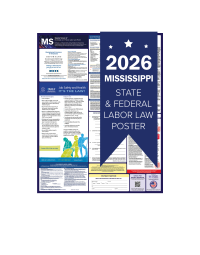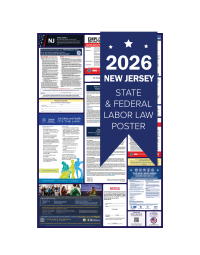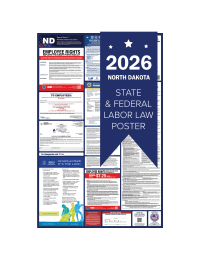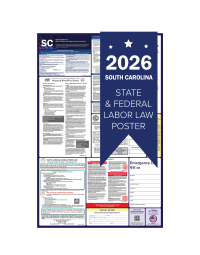



Employers have to comply with federal, state, and local government agencies in the United States. One of the major agencies is the U. S. Equal Employment Opportunity Commission (EEOC). It is crucial for everyone to understand the working of the EEOC, the laws it enforces, and it is equally necessary for any employee or employer to uphold the laws and follow all the regulations so as to have a compliant workplace. We see that there are numerous instances of discrimination in workplaces, and employees suffer because of it. The EEOC enacts certain Federal laws and enforces these laws in order to prevent any employment discrimination in workplaces. An employer who does not adhere to these laws might be legally prosecuted, and this can also harm the reputation of their company. This article is the introduction to the EEOC, its role, and what employers have to do to remain compliant. This, amongst other things, involves displaying all the labor law posters that the EEOC provides and thoroughly dealing with employee complaints pertaining to discrimination.
Understanding the EEOC: Definition and Role in Employment Law
The Equal Employment Opportunity Commission (EEOC), which is a federal agency, is specifically responsible for enforcing Federal laws that help employees to complaint again any discrimination in the workplace, and it also makes it illegal for employers to discriminate against any employees or job applicants. Unlawful employment discrimination is based on specific protected characteristics defined under applicable laws.
Federal Laws Enforced by the EEOC
The EEOC enforces several key Federal laws, which are as follows:
- The first is Title VII of the Civil Rights Act of 1964, which prohibits discrimination based on race, color, religion, sex, including the including pregnancy, sexual orientation, gender identity, and national origin, and also prohibits retaliation.
- The Pregnancy Discrimination Act (PDA) helps in protecting employees from discrimination which generally based on pregnancy or related conditions.
- The Pregnant Workers Fairness Act (PWFA) took affect in June 27, 2023, and this law requires employers to provide a reasonable accommodation for employees who are affected by pregnancy child birth or any related medical condition.
- The Equal Pay Act (EPA) is an act that allows equal pay regardless of the gender of the employee.
- The Americans with Disabilities Act (ADA) helps in prohibiting discrimination against qualified individuals who have any kind of disability.
- The Rehabilitation Act of 1973 helps protect Federal employees and applicants with disabilities.
- The Age Discrimination in Employment Act (ADEA) helps in prohibiting discrimination against in individual who are a to more than 40 years old
- The Genetic Information Nondiscrimination Act (GINA) comes under Title II and prohibits discrimination based on genetic information.
We see that many employees are afraid of complaining or taking part in a discrimination complaint, it is because sometimes they might face retaliation in the workplace, so the EEOC helps in regulating the illegal act of retaliation. If an employee complains regarding discrimination or participates in an investigation or opposes discriminatory practices if they are punished by the employer, it is known as retaliation, and according to the EEOC, retaliation is one of the most important issues in workplace discrimination cases.
What Does the EEOC Do? Key Responsibilities for Employers
The EEOC thinks about complaints and attempts to resolve violations. It provides guidance, audits, and files lawsuits when necessary. The main purpose of the EEOC is to make sure employers have non-discriminatory practices.
The repercussions from not following the EEOC can be considerable for employers. These can include:
- Financial Consequences: Discrimination can lead to significant, even enormous, fines and damages. This can occur when a pattern of behavior develops.
- Legal Action: Non-compliance with the guidelines of the EEOC can cause legal action, including investigations, lawsuits, and enforcement actions.
- Reputation: It is damaging to a business's reputation when or if the company experiences accusations of discrimination. The company can lose out on hiring talent, affect customer relations, or hurt employee morale.
- Loss of Diversity: Discrimination can eventually discourage diversity, which can lead to a diminished quality of hire. Loss of diversity diminishes innovative thinking, creates challenges among teammates, and lowers productivity.
Understanding and implementing EEOC guidelines can help prevent the abovementioned issues. Ultimately, correctly following the guidelines can create a more inclusive and supportive work environment.
Critical Responsibilities for Employers Under EEOC Regulations
- Employers must display the required EEOC poster in their workplace: This is one of the main obligations as part of their federal labor law poster which is imposed by the EEOC; as evidenced in the case of employers in South Carolina, employers are entitled to rely on the South Carolina compliance services to fulfill all statutory obligations, thus the EEOC’s poster "Know Your Rights: Workplace Discrimination is Illegal“ or equally as noted prior “Equal Employment Opportunity is the Law” must be appropriately posted in an open area where all employees have reasonable access. This open location may be in a break room, a lobby, or other common area, and all employees have the ability to see it. Generally, this poster outlines federal laws prohibiting job discrimination. The poster also informs employees of their rights and protections available to them for harassment or discrimination issues in the workplace. Again, as was noted above, the poster includes information on how to file a complaint alleging harassment or unlawful discrimination.Additionally, the poster must be updated to reflect any changes in the law. It should also be available in different formats if needed for employees with disabilities. For example, in Michigan, employers should also be aware of state-specific requirements, such as the Michigan Veterans Workplace Poster requirements, to ensure full compliance.
- Properly Address EEOC Complaints: An EEOC complaint is an official claim filed by an employee or job applicant who believes they have experienced discrimination. As a result, employers should handle these complaints promptly. Here are some key steps to follow:
- Take Complaints Seriously. Every complaint should be considered “valid” until it is proven otherwise. Taking complaints seriously shows workers that all concerns are respected. It also encourages a workplace that values fairness and inclusivity.
- Cooperate with the EEOC. If the EEOC starts an investigation, employers must cooperate fully. This includes providing requested documents, allowing employee interviews, and making other necessary accommodations.
- Avoid Retaliation. Not only is retaliation illegal, but it can also make the situation worse. Above all, employers must not discipline, demote, or otherwise treat any involved employee negatively.
- Document Everything. Undeniably, documentation is critical in legal proceedings. Employers should keep detailed records of the complaint, the steps taken to address it, any investigations conducted, and any resolutions reached.
- Implement Anti-Discrimination Policies and Training: To reduce reports of discrimination, companies should implement clear, written anti-discrimination policies. Indeed, all employees should be trained on these policies. Subjects like acceptable workplace behaviors, how to report incidents, and the consequences of discriminatory actions should be included.
EEOC Reporting and Recordkeeping Requirements for Employers
It is also important for employers who have more than a hundred employees and for Federal contractors who have more than fifty to submit the EEO-1 Report. This report is generally a kind of annual report that provides EEOC with employee demographic data and helps in identifying workforce diversity trends.
In addition to this reporting employer should also keep records on other specific topics, such as, they should include hiring practices, promotion, compensation, and terminations, because this documentations are very critical if any discrimination allegation arises. Also, this evidences provide that employment decisions were based on specific criteria and not due to discrimination.
How Employers Benefit from EEOC Compliance and Avoid Penalties
We see that EOC is very important for employees because it helps them to protect against discrimination, and employees need to comply with all the EOC requirement but apart from protecting employees, this law also provides several advantages for businesses, including:
- It helps in providing a higher employee morale because in a workplace that is free from discrimination, it helps in promoting employee happiness and can lead to fewer turnover issues, which is a very important factor for employee morale.
- It also helps in improving diversity and innovation because a commitment to diversity implies a company is open to a full range of perspectives, and these perspectives can contribute to a business's potential for innovative ideas and solutions.
- The main important advantage and reducing legal risk, when an employer engages in proactive compliance with EOC guidelines, it eventually helps in reducing the potential of costly lawsuits and fines.
Top Compliance Tips for Navigating EEOC Regulations
Understanding what EEOC wants can seem like quite a bit of work, but there are steps that all sizes of businesses can take to lessen the impact and ease the burden of compliance:
- Learn Basic EEOC Requirements. Even if the number of your employees is less than 15 (the threshold for most of the EEOC laws, as described above), following fair hiring and workplace practices benefits the business in many ways.
- Identify an HR staff member or another employee who can take the lead in monitoring EEOC policy changes and labor law poster updates to ensure the workplace always displays the most current notices.
- Seek Legal Guidance. If you have questions about how EEOC regulations or state & local anti-discrimination laws apply to your business, be sure to check with your company's legal advisors.
- Proactive EEOC compliance includes enrolling in an annual compliance subscription that automatically delivers updated 'Know Your Rights' and other required notices the moment they change, with no manual tracking required.
For employers who want hands-on support, our labor law compliance training helps HR teams and managers build anti-discrimination practices that reduce EEOC complaint risk before it happens.
FAQs
What are the main responsibilities of the EEOC in the workplace?
The main responsibilities of the Equal Employment Opportunity Commission (EEOC) are to enforce Federal laws that help in prohibitating employment discrimination. It also helps in ensuring that employees comply with anti discrimination lows like discrimination against race, colour, religion, sex, national origin, disability, and age. The EEOC also handles discrimination complaints, issues guidance, and ensures that employees create an inclusive workplace that is free from discrimination.