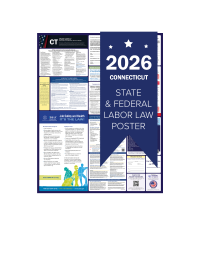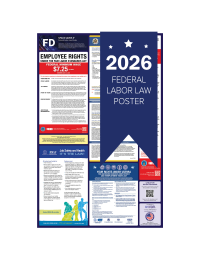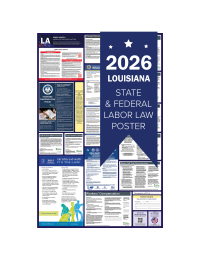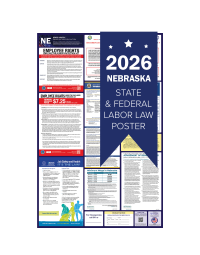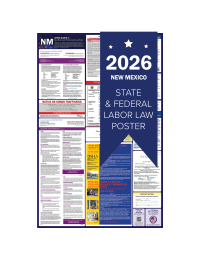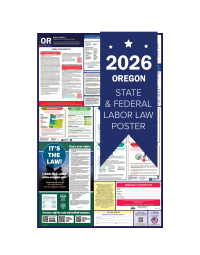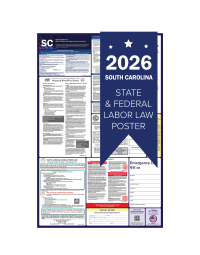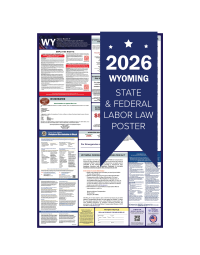


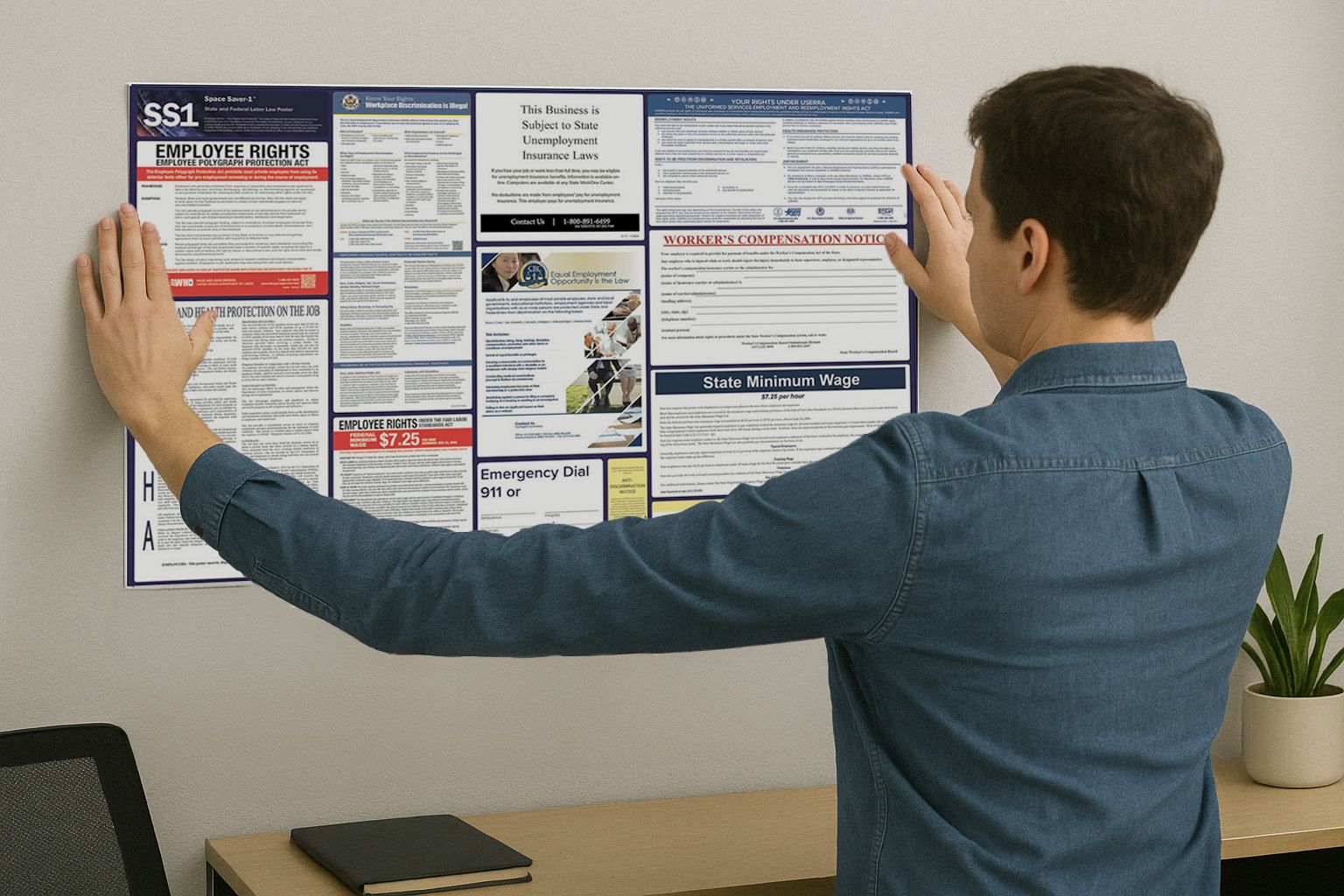
Labor law posters are required resources mandated by federal, state, and local agencies. These posters inform employees about their workplace rights and responsibilities. The labor law compliance notices provide employees with important information about wages, health and safety, discrimination prevention, and other labor laws.
In 2026, the question isn’t just "do I need a labor law poster?" The focus should also be on whether your current postings accurately reflect the widening gap between federal baselines and strict new state-level wage laws. If you have even one employee on payroll, strict federal and state posting regulations apply to you. Here is where teams take weeks of time: assuming a single poster covers hybrid workers or out-of-state contractors.
Employers are legally obligated to display all the mandatory posters prominently in common areas where employees can easily view them. Businesses can research and collect posters themselves or partner with a labor law poster service to automatically receive posters as they are updated.
Who is required to display labor law posters?
If your business has at least one employee on payroll, you are legally required to display federal and state labor law posters. This mandate applies across all industries, including non-profits and federal contractors. The only universal exception is for sole proprietors with absolutely no employees, or businesses where the only employee is the owner's spouse. However, simply hanging a poster in a physical office is no longer enough; in 2026, you must also provide mandatory digital access for your remote workforce as well. See digital vs physical labor law posters to get both right.
In practice, the catch is multi-state hiring. We've seen companies assume their headquarters' poster covers a remote worker in California or New York. It doesn't. You must comply with the specific posting laws of the state where the employee actually performs the work. Each state has its own set of mandatory labor law notices. For example, employers in Iowa must comply with both state and federal posters. See our state-by-state labor law poster guide for every state’s requirements.
The One Employee Rule
Yes - If you have even one employee on payroll, you are required to post labor law posters.
No - If you do not have any employees on payroll, or your spouse is the only employee, you are not required to display posters.
Federal Contractors
If your business bids on or holds federal contracts, standard posters are not enough. You must also display highly specific notices issued by the Office of Federal Contractor Compliance Programs (OFCCP) and the U.S. Department of Labor (DOL).
Remote or Hybrid Teams
Digital access is now strictly enforced. For example, New York state explicitly requires that all workers, regardless of whether they are onsite or remote, receive digital access to labor law notices. See how in electronic labor law posters for remote employees.
Risks of Displaying Outdated Information?
As mentioned, labor law posters are mandatory for every workplace with at least one employee to inform them of their rights and responsibilities under state, federal, and local laws. Failing to update them can lead to fines, penalties, lawsuits, and even employee dissatisfaction.
Legal Penalties: Federal and state agencies, such as the DOL, frequently add to or update their laws and regulations. Missing a key change could result in fines that range from hundreds of dollars to tens of thousands of dollars per violation.
Employee Disputes: Any incorrect information on outdated posters could mislead employees, resulting in grievances or lawsuits. Accurate posters ensure your employees know their rights, reducing the risk of internal conflict.
Reputational Damage: Failing to meet compliance standards may harm your company's credibility and overall employer brand.
Operational Disruption: Trying to fix any non-compliance issues can drain your resources, diverting attention from key business priorities.
Common Mistakes to Avoid
- Taping over old numbers: Manually crossing out old minimum wage rates instead of replacing the entire poster invalidates the notice.
- Forgetting remote staff: Failing to provide a permanent, accessible digital intranet link to your off-site team.
- Ignoring local laws: Relying strictly on federal posters while ignoring higher state-level standards. Check the USA Minimum Wage by State to spot local discrepancies that inspectors look for first.
Do not assume inspectors only care about massive, willful wage theft. Basic recordkeeping and notification failures frequently compound into massive settlements. For example, a recent Department of Labor investigation into software provider Intuit revealed that basic payroll software and recordkeeping errors denied overtime to thousands of workers. The company was forced to pay over $555,000 in back wages.
While this specific case highlighted software failures, the DOL consistently cites missing workplace posters as a foundational recordkeeping violation that triggers deeper, more painful audits. Employers using a professional labor law compliance service avoid these foundational compliance gaps automatically. If your employees don't know how overtime is calculated because the Federal labor law poster is missing from the wall, the state defaults to believing the employee's claims.
How Can I Get a Labor Law Poster and Remain Compliant?
To mitigate these risks, businesses should review their posters at least annually. Adopting a consistent review routine ensures your workplace remains compliant and your employees are informed. It is recommended that one person or team ensure the company displays the correct notices. Employers can manually download free, individual posters directly from state and federal .gov websites. However, doing this legally requires constantly monitoring dozens of different agency pages for mid-year legislative updates, which can be time-consuming. The most efficient, risk-free method is to utilize a dedicated compliance partner to ensure you receive consolidated physical and digital posters whenever there are labor law updates.
Essential Labor Law Posters
We touched earlier upon the fact that federal, state, and some local government agencies require specific labor law posters to be displayed. Certain industries may also require notices to be hung up. Examples of these types of posters include the following:
- Federal Labor Law Posters
The following are examples of required federal posters:
- EEOC "Know Your Rights" Notice
- Federal Minimum Wage Notice
- Employee Polygraph Protection Notice
- USERRA Rights and Benefits Notice
- Fed-OSHA "It's the Law" Notice
- Family and Medical Leave Act (FMLA) Notice (Required if you have 50+ employees)
- State and Local Labor Law Posters (Varies by Location)
These posters usually apply to entire states, individual counties, or cities. The notices can include different state or city-specific labor law compliance, but are not limited to, information on the following topics:
- Minimum wage rates
- Paid sick leave and time off requirements
- Anti-discrimination provisions
- Unemployment Insurance
- Workers' Compensation Notice
- Industry Specific
Certain industries and all federal contracts may require additional notices to comply with regulations applicable only to those fields of work.
How Can I Remain Compliant with Labor Law Posting Rules?
Labor laws frequently evolve, and new regulations are often introduced. Therefore, employers must ensure that the posters they display are always current and accurate. Non-compliance with labor law poster requirements can lead to costly fines, penalties, and lawsuits.
Secure your business today by enrolling in Annual Workplace Compliance Subscriptions to handle your physical and digital posting requirements automatically. A small investment in a compliant labor law poster today is your best insurance against a costly audit tomorrow.